Learning centre
Rehydrating Dry Cannabis
Rehydrating Dry Cannabis explained through format, label, batch, community language and current Canadian context.
 QGdried flower
Flower storage
Rehydrating Dry Cannabis
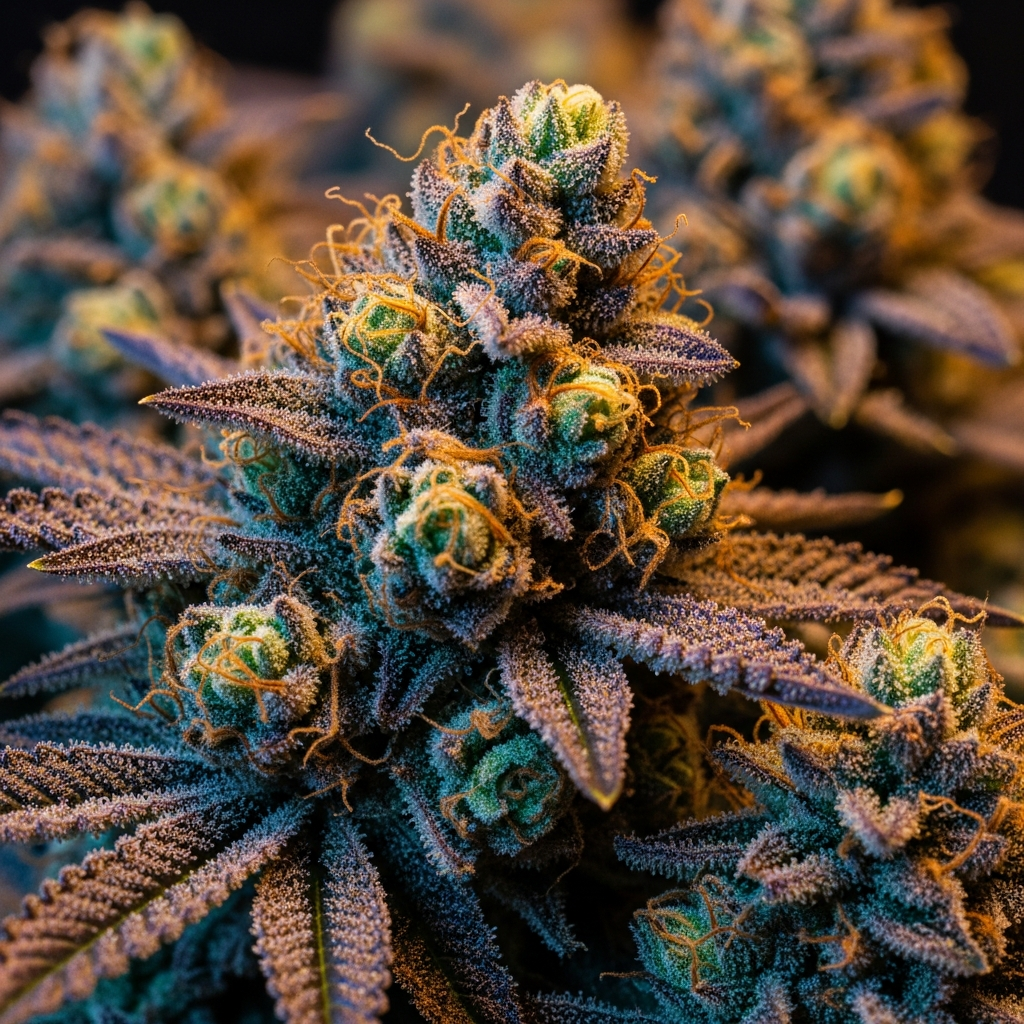
Dry flower can lose aroma, feel harsh and crumble too easily, but adding orange peel, bread or other food creates uncontrolled moisture and microbial risk. Inspect first: visible growth, webbing or a musty or ammonia-like odour is a reason not to consume the product.
For sound flower that is merely dry, keep it sealed according to the current label and consider a purpose-made humidity pack. Rehydration cannot restore terpenes that already evaporated, reverse oxidation or make an old batch fresh.
Sources and further reading
- Safe storage of cannabis (Health Canada)
Community language, decoded
What experienced buyers actually compare
Cannabis communities rarely stop at a strain name. Readers talk about nose (aroma when the package opens), terpene character, moisture and cure, trim, trichome coverage, bud structure, flavour in a joint or dry-herb vape, harshness, burn, ash, oil ring, potency, duration and value. Those observations are useful batch notes, not universal properties of a cultivar.
Separate appearance from experience. Dense, frosty buds can still be dry or muted; smalls can smoke like the larger flowers from the same batch; and “craft,” “quad” or “AAAA” can mean different things from one seller to the next. White ash and an oil ring are popular review shorthand, but neither proves that a product is contaminant-free. A current label, source and batch record matter more.
Use and storage
The unglamorous checks matter most
Start low and go slowly, especially with a new product or ingestion route. Do not drive or operate machinery while impaired. Keep cannabis in its original child-resistant packaging, locked and out of sight and reach of children and pets; keep edible cannabis separate from ordinary food.
Choose a legal, current source. A legal Canadian product provides standardized labelling and a regulated chain of production. A copied candy brand, huge THC number, missing excise stamp, broken seal or seller that cannot be independently verified is a reason to stop.
Sources and further reading
- Choose legal cannabis (Health Canada)
- Canada's Lower-Risk Cannabis Use Guidelines (Health Canada)
- Safe storage of cannabis (Health Canada)
Research method
Keep “Rehydrating Dry Cannabis” tied to evidence
Record the producer, cultivar, phenotype or lot, harvest or package date, storage and consumption method. Without those anchors, a current-looking page can repeat a claim that belongs to a different product, different batch or different business.
The strongest field report names what was received, when it was received, how it was used and what the reviewer still could not verify. Dates matter: freshness, hardware, formulation, support performance, laws and store status can all change while the name stays the same.
A clean research trail
- Save the current product name, URL, seller and date checked.
- Capture the complete label or primary source rather than a cropped claim.
- Normalize units before comparing price, potency or quantity.
- Match reviews to format, lot and date; note tolerance and method when effects are discussed.
- Write down contradictions and unknowns instead of resolving them with marketing language.
For Rehydrating Dry Cannabis, compare at least two current records and prefer the one that exposes more verifiable detail, not the one that repeats the strongest adjective. When sources disagree, keep both dates and claims visible until a label, regulator or current seller record resolves the difference.
That process is deliberately slower than copying a product blurb. It is also what makes the page useful after prices, inventory and search rankings move.
Related reading
Go deeper on the same format.
Current evidence
Continue the research on CannaGuide.
Compare active store records, product listings, deals and source-linked community reports.